Fragments to Chapters
Claude gives you artifacts. Portl gives them a home. Transitioning from one-off prompts to persistent stories.
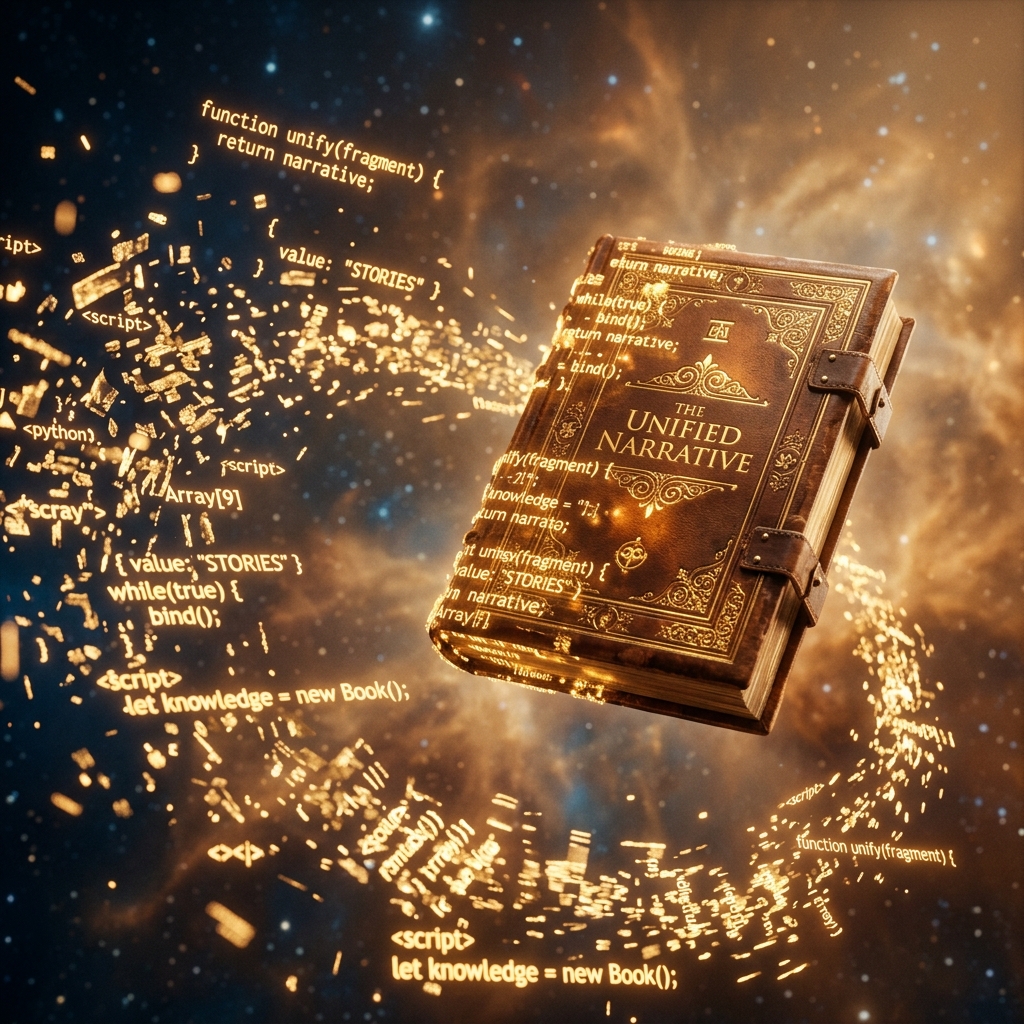
Claude Artifacts changed everything. For the first time, we could see code come to life in a window right next to the chat. It made building feel like magic. But magic has an expiration date. Artifacts are, by nature, ephemeral fragments. They live in a chat history that slowly buries them as you keep talking.
At Portl, we realized that builders don't want fragments. They want Narratives.
The Problem with "One-Offs"
When you build a complex project in Claude, you might end up with 15 different versions of a landing page. They are scattered across your history, impossible to search, and disconnected from each other. If you want to show your work to a client or a co-worker, you have to find "the right prompt" and hope the artifact still renders.
"Software isn't a snapshot; it's a saga."
The Portl Home
Portl provides the structural "Glue" that turns those code fragments into a cohesive product. When you move an artifact from Claude to Portl, it ceases to be a fragment. It becomes a Chapter.
A chapter has a title. It has a context-rich prose description written by AI. It has a permanent URL. And most importantly, it has Peer Awareness. It knows it is a part of a larger Project.
The Evolution of Building
We are moving from a world of "Prompting" to a world of "Architecting." In this new world, your role isn't just to generate code—it's to curate the narrative. Portl is the loom that weaves your code fragments into a Tapestry of Intent.
Don't just build fragments. Start writing your story.